Wednesday, November 9, 2016

Top 5 Wednesday: Characters You Used to Love but Don't Anymore


Top 5 Wednesday is a weekly meme hosted by Thoughts on Tomes. Check out the Goodreads group here.

It is sad to say, but sometimes the characters we loved as children or young adults don't age as well as we do. They don't hold the same charm for us for any number of reasons: we outgrow them, they look different in our adult eyes, etc.

This week's topic is featuring these characters that once upon a time we might have loved and now either hate, dislike, or are simply neutral about.

5. Harry Potter (Harry Potter series)


This character falls sharply into the neutral territory and is somewhat complicated. I still love the Harry Potter stories, make no mistake, but Harry Potter himself has lost a lot of his charm for me. As I've been rereading the books, particularly from Order of the Phoenix onward, I've realized that he's not the hero I always remembered him being. His heroics are not his alone and the people that help him don't get nearly the amount of credit they deserve. 

4. Ariel (The Little Mermaid)


Ariel used to be my favorite Disney princess when I was younger. I was obsessed with mermaids and used to pretend that I could turn into one all the time. Ariel probably contributed to my love of swimming and that's a lovely thing. However, her character isn't the same for me as it once was. Watching the movie now, I realize that there are a lot of problems with her as a person that can be attributed to being a teenager, but she's glorified for it. This is even before we take into account the instalove situation with Prince Eric which is another thing that lost it's charm for me. It was cute when I was a kid, but it is now one of the most annoying tropes in film or literature.

3. Anne Shirley (Anne of Green Gables)


When I was her age and read this, I thought that her imagination was a wonderful thing. She didn't make sense a lot of the time, but that didn't matter to me at the time. I tried to go back and reread it lately, but I found myself disliking Anne. She wasn't the imaginative idol of my childhood anymore, merely an annoying child that prattles on.

2. The Tillerman Children (The Tillerman Cycle)
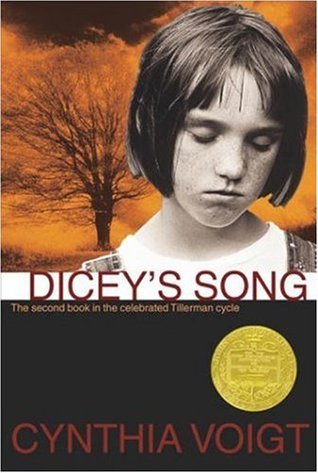

Dicey and her three siblings are decent enough in the first book, Homecoming, but for books two through seven I became disinterested in them. It might have something to do with the fact that not all of the books are strictly about them, so we miss out on some of their development, but also Dicey especially seems too self assured in some parts and then foolish in others. I remember loving these books years ago, but the only book I care to read now is the first one and pretend the rest don't exist.

1. Peter Pan and Tinker Bell (Peter Pan)
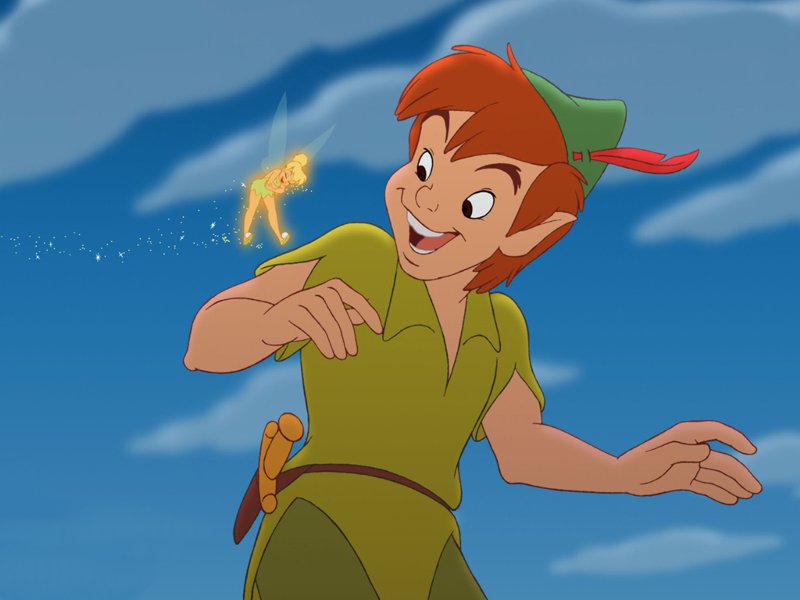

If The Little Mermaid was my favorite Disney film as a child, then Peter Pan was another one (these were both before I had seen Beauty and the Beast, which is my #1 favorite classic Disney movie now). Watching it now with my son, though, has shown me that Peter and especially Tink are a pain. They play off each other and that isn't a compliment. They've both got bad behaviors that grate on me now that I never really noticed or didn't bother me as much before, I haven't read Barrie's book yet and I'm curious what the original story is like compared to the Disney version.


All pictures, quotes, and videos belong to their respective owners. I use them here solely for the purpose of review and commentary.

Tuesday, November 8, 2016

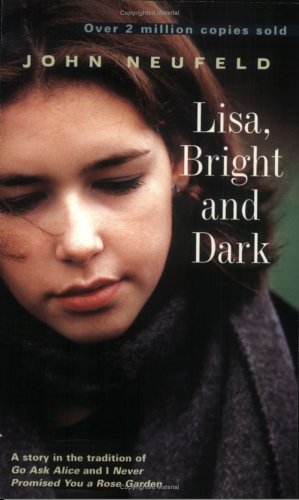
Top 10 Tuesday: Ten Books I've Added To My To-Be-Read List Lately


Top 10 Tuesday is a weekly meme that is brought to us by The Broke & the Bookish. Check out the topic list here.

My TBR is an ever changing monster. This top ten will be very different in another day or two, I assure you, but that's a good thing! All the books out there and at least I can keep track of them somewhere. There are so many to choose from, but these are the most recent ones that have been added to my TBR, most recently first.


All pictures, quotes, and videos belong to their respective owners. I use them here solely for the purpose of review and commentary.


Monday, November 7, 2016

Review: One Paris Summer by Denise Grover Swank


Most teens dream of visiting the City of Lights, but it feels more like a nightmare for Sophie Brooks. She and her brother are sent to Paris to spend the summer with their father, who left home a year ago without any explanation. As if his sudden abandonment weren't betrayal enough, he's about to remarry, and they’re expected to play nice with his soon-to-be wife and stepdaughter. The stepdaughter, Camille, agrees to show them around the city, but she makes it clear that she will do everything in her power to make Sophie miserable.

Sophie could deal with all the pain and humiliation if only she could practice piano. Her dream is to become a pianist, and she was supposed to spend the summer preparing for a scholarship competition. Even though her father moved to Paris to pursue his own dream, he clearly doesn't support hers. His promise to provide her with a piano goes unfulfilled.

Still, no one is immune to Paris’s charm. After a few encounters with a gorgeous French boy, Sophie finds herself warming to the city, particularly when she discovers that he can help her practice piano. There’s just one hitch—he’s a friend of Camille’s, and Camille hates Sophie. While the summer Sophie dreaded promises to become best summer of her life, one person could ruin it all.

Rating: 1 Star

I received a free copy of this book from the publisher via NetGalley in exchange for an honest review.

I think there are just a few too many of this type of book, where the girl goes away to a foreign country (usually France) for the summer or for a school year, has a romance, and things works out all nice and dandy. Maybe it's because of that, as well as a few other factors in this book in particular, that lead to this being a somewhat painful reading experience.

Sophie, the main character, started out being something of a disgusting character. She was acting like a petulant child when her plans for the summer fell through and by the time you're sixteen, while I get that you're still developing, I'd expect you to act a little more mature and not like a spoiled brat.

In the beginning I actually felt sorry for the stepsister Camille. Even though the summary says that she becomes something of a problem, and boy does she ever, at the beginning her reaction to Sophie's sudden appearance in her home is perfectly justified. Sophie's first action upon going to the room they're sharing? She goes through all of Camille's dresser drawers and closet, not even bothering to close the door behind her and leaving a dress hanging over it. I would've been angry too to begin with, but coming home to find this mess would've sent me over an edge.

Sophie only continued to annoy me. She and her brother were sent to spend the summer with their father and his new wife and her daughter, but they were allowed to bring a friend. Sophie's brother Eric brought his friend Dane first and Camille has been coerced into showing them around. One of the things they do is go to Notre Dame. I don't care how many architectural "wonders" you've seen, there's no way that you can compare a masterpiece like that cathedral to your seventeen year old brother's best friend. The actual quote: "But to be fair, Notre Dame didn't stand a chance against the beauty of Dane Wallace." Blech.

Things kind of plateaued at this point and not at a good point either. After the initial sympathy I felt for her, Camille turned into the stereotypical stepsister witch the summary promised, but the other characters seemed to flipflop their personalities from one moment to the next. One minute they're defensive of Camille and her actions, the next they say they shouldn't have listened to her, I'm so sorry Sophie. It was annoying because there didn't seem to be any real progress, no event that would explain the change in a normal person.

Another example of Sophie not really thinking of anyone but herself in regards to her piano playing (that being her special talent) is when her stepmother brings her home an electric keyboard instead of a piano which her father had mistakenly promised. She is infuriated because apparently there's a difference in the way the keys feel, but she doesn't take two things into consideration: 1) the logistics of getting the piano into their fourth/fifth floor apartment (#1 reason they can't get it - no way to do it!); 2) an electric keyboard costs around $100; a piano anywhere from $2000-3000. For something that she'll only be using for two months, you'd think she'd at least try to show some humility or thankfulness that her father at least tried and that her stepmother actually found a temporary solution, unsatisfactory to Sophie as it was.

The love interest situation was a weird one that left a bad taste in my metaphorical mouth. There were, at one point, three separate love interests. Granted one turns into a monster mess of monumental proportions, but that doesn't negate the fact that this goes beyond instalove or a love triangle. What's it called when there are three potential love interests for a girl, even if one does drop off?

And then the ending, the thing that for me was one of the most unbelievable parts of the book. Sophie wants to go to the Conservatoire de Seine for university, but is able to audition for a place in their high school program (which she somehow neglected to even know about until this summer). She auditions and, even though she thinks she bombs it because of some emotional turmoil at the time, she gets the spot! However, because of aforementioned emotional turmoil (i.e. a boy) she says no to this once in a lifetime opportunity and goes back to the States.

That I could almost forgive, but then in November she suddenly has a change of heart, calls the school to tell them this, and they accept her change of mind and allow her to start in the spring semester. NO SCHOOL in real life would let this happen, especially one as highly competitive as the Conservatoire de Seine is supposed to be. They're response would've been more along the lines of: you had a shot; we gave you a chance and you said no; we gave your spot to someone else who deserved it and said yes to the commitment.

The magical fairy tale happy ending was so unbelievable that I set the book aside afterwards with a look of disgust. I don't mind happy endings, but when it's a contemporary book, you've got to take the real world into consideration and a lot of the events in this book just seemed too out there.

There are better books written about similar situations than this one that would be worth your time, such as Anna and the French Kiss by Stephanie Perkins.


All pictures, quotes, and videos belong to their respective owners. I use them here solely for the purpose of review and commentary.

Friday, November 4, 2016

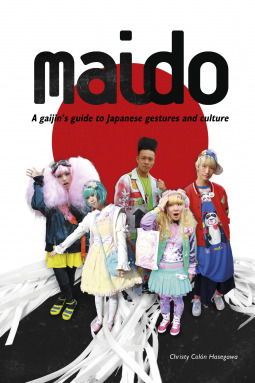
Review: Maido: A Gaijin's Guide to Japanese Gestures and Culture by Christy Colon Hasegawa


Publisher: Schiffer Publishing (Facebook, Instagram, Twitter)


Maido (my-dough, not to be confused with that childhood favorite, Play-Doh) describes the most common Japanese gestures and defines their meanings and the cultural contexts that surround them. Japanese gestures are a world of their own, much the way the language and country are. In the Kansai region of Japan, people often use the term Maido as a greeting in business and sales, and as a send-off to a business s best customers as if to say, come again or thank you. In this case, Maido is welcoming you to a world in which you don t offend every Japanese person you meet. By learning a few simple gestures you can avoid making intercultural slip-ups and win the respect of locals. And who knows maybe the next time you walk into the local izakaya (watering hole), you may be lucky enough to hear someone saying, Maido! Maido! to you."

Rating: 5 Stars

I received a free copy of this book from the publisher via NetGalley in exchange for an honest review.

When I was in high school I became interested in anime, which was my introduction into Japanese culture. It might not have been the best introduction, but I had to start somewhere. The actions in anime, as far as I can tell, are overacted and not entirely culturally acted. It did interest me in finding out more about Japan, though, historically, culturally, etc.

Maido: A Gaijin's Guide to Japanese Gestures and Culture is a good working guide to gestures which, to compare them to American ones for a moment, we might take for granted. I was familiar with a couple of the ones mentioned in this book, having seen them demonstrated in film and television shows, but here I was given a bit more information on exactly what they meant and how they might be similar to other gestures if done in a slightly different way.

The photographs were very well done. As well as demonstrating the gestures that were being talked about, the fashions were really cool. I almost wish this book had had a section to talk about what the models were wearing as well because some of the outfits were very unique.

Ms. Hasegawa, the author, did a good job at getting her point across without pontificating for which I was thankful. She didn't let her writing get dry either, injecting some points of humor into the paragraphs about the various gestures.

While I'm sure this book didn't cover all the gestures that one would ever need when visiting Japan, and caution should still be exercised unless you're 100% you're using a gesture correctly, it gave a good overview with the ones that might be needed the most. It certainly gave the ones that, I think, would be used the most, such as gestures used for politeness' sake (thank you, I'm sorry), in restaurants, and what to avoid when at all possible to avoid rudeness (insinuating someone's a gang member). I'd like to read more from Ms. Hasegawa, as she tackled the brief subject of gestures and culture well; I think she'd have a good handle on a variety of other subjects, maybe even books more in-depth on Japanese culture.


All pictures, quotes, and videos belong to their respective owners. I use them here solely for the purpose of review and commentary.

Thursday, November 3, 2016

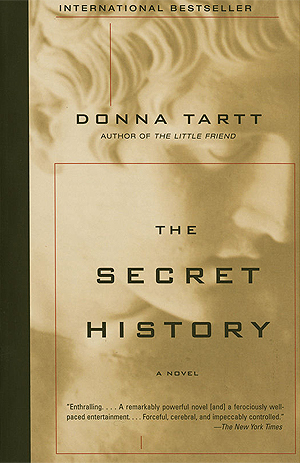
Monthly Recommendations: Family Focus


Monthly Recommendations is a monthly meme created by Kayla Rayne and Trina. Each month features a different topic for us to recommend our favorite books for that month. Please stop by the Goodreads group to share your recommendations, check out other links, etc.

There are so many interpretations available for this month's topic for monthly recommendations: families as they are in the book, a family that the character creates themselves, etc. I'm not going to stick with any one topic, per se, and instead I'll tell you with each selection how I believe that title has a focus on family.

The Harry Potter Series by J.K. Rowling


This is, I think, obvious, but it bears repeating because not only do I love Harry Potter along with a great many people in my generation, now my son's generation is getting to the age when they're ready to read this story for themselves or have it read to them. I'm meeting children and their parents in bookshops now and realizing that there are a whole lot of people that are finally able to read it for the first time and I am so envious.

How does this series relate to family? That can be answered a couple different ways. The primary way is, I think, how Harry comes to find a family after his is taken from him as an infant. He is raised by his aunt and uncle, but they never treat him like real family so we won't count them at the moment. Once Harry is old enough to start attending Hogwarts, he is introduced to not just a whole new wizarding world, but also to people that appreciate and love him for who he is. These people, Ron, Hermione, Hagrid, they all become family that he chooses. This type of family is often the most important because blood family is family we're often stuck with no matter how badly we're treated, but family we choose is family we honor with our choice. They're are dear enough to us that we consider them our heart's family despite not being blood related.

The second example of family is the Weasley family who embodies everything that a family ought to be. Sure they have their difficulties, especially with Percy once Goblet of Fire starts through the end of the series, but they support one another despite financial difficulties, despite having to struggle to get seven children through school, etc. Even with all of their problems, they never, not for one second, hesitate to welcome Harry into their family once he becomes a friend of Ron's. I wish we had seen more of the children's friends become as close as Harry did, but the benefit of their love towards Harry can't be discounted. He eventually does become a legal member of their family, but that's semantics.

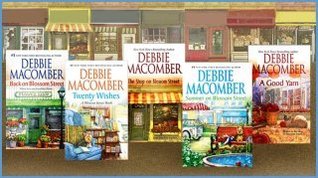
The Blossom Street Series by Debbie Macomber


This series starts out with The Shop on Blossom Street and continues for at least ten books. Lydia, the proprietor of A Good Yarn (the titular shop), opens her knitting shop with the hope of making friends and as an affirmation of life after having beaten cancer for a second time recently. She manages to open a successful business on a street under construction and builds it from there. Starting out with a class for a baby blanket and featuring a new project every couple of months, she routinely meets new people and welcomes them into her new family of Blossom Street residents and visitors. 

If you take a class with Lydia, you're sure to become family, whether you start out like punk rock Alix, snooty Jacqueline, or despondent Carol in the first book or any of the other women and men in following books. Lydia doesn't judge anyone, always giving them a chance, and she mediates differences well. Her influence ensures that not only does she make her own family, but the different customers come to see each other as family as well (Jacqueline, for example, becomes something of a surrogate mother for Alix). A Good Yarn is a safe zone, a safe haven, and Lydia never makes any claims but she welcomes people regardless.

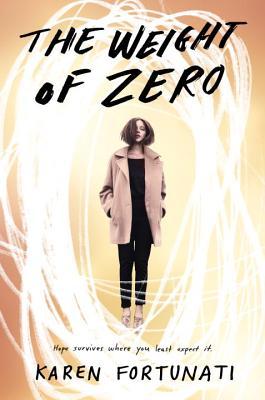
The Weight of Zero by Karen Fortunati


This book does not have the happiest of atmospheres because it deals with the very real and serious topic of bipolar disorder, particularly among teenagers. Catherine, the main character, lives in anticipation of the day when Zero (aka rock bottom on the depression chart) will catch up with her and she'll finally complete the suicide attempt she tried two years ago.

The reason I'm including this book on this list among "happier" titles is Catherine's mother. She understands her daughter's illness, in a manner of speaking, from the beginning. She knows that it's serious and doesn't try to brush it under the rug. She goes to the doctors, the therapists, anyone that can help her daughter. She raised Catherine as a single mother with help from her own mother, she worked two jobs often with double shifts to pay for Catherine's medications and appointments. There is nothing this woman would not do for her child.

I find that a lot of the parents in fiction regarding mental illness tend not to be this kind or understanding. They either ignore the problem to begin with or expect it to go away with a sunny disposition (which anyone with half a brain could tell you is NOT how it works with bipolar disorder). I hate books like that, so The Weight of Zero was amazing in that it gave an honest portrayal of the disease and it gave me an example of a brilliant mother struggling to do what she can to support her daughter through her recovery and maintenance. 


All pictures, quotes, and videos belong to their respective owners. I use them here solely for the purpose of review and commentary.


Wednesday, November 2, 2016

Top 5 Wednesday: Most Misleading Synopses


Top 5 Wednesday is a weekly meme hosted by Thoughts on Tomes. Check out the Goodreads group here.

After having had a rash of one and two star reads lately, I'm more than equipped to tackled this week's topic: most misleading synopses. Sometimes the synopsis sounds so amazing and just the right thing in the moment, but then you settle down to read the book and it just drains you because it sucks so bad!

These titles all disappointed me in one way or another. I've included the synopsis for each book as well so that perhaps you can see where I'm coming from when I explain why I disliked them after having read them based on their synopsis.

5. The Heart of Henry Quantum by Pepper Harding 


In the bestselling tradition of A Man Called Ove and the beloved film Love Actually, a quirky, socially awkward man goes on a quest to find his wife a last-minute Christmas gift and encounters several distractions—including bumping into his ex-girlfriend who was the one who got away.

Henry Quantum has several thoughts going through his head at any given time, so it’s no surprise when he forgets something very important—specifically, a Christmas gift for his wife, which he realizes on the morning of December 23. Henry sets off that day in search of the perfect present for her: a bottle of Chanel No. 5 perfume. But much like Henry’s ever-wandering mind, his quest takes him in different and unexpected directions, including running into the former love of his life, Daisy. His wife, meanwhile, unhappy in her marriage, is hiding a secret of her own. And Daisy, who has made the unsettling choice of leaving her husband to strike out on her own, finds herself questioning whether she and Henry belong together after all.

A sweet, funny, and touching debut from author Pepper Harding shows how the seemingly insignificant events of one single day can change our lives forever—perhaps, if we’re lucky, for the better.

I have read  A Man Called Ove and I love the movie Love Actually (it's one of my favorite holiday movies of all time). When this book promised that it was similar to the two, I thought it would be a great read. It was very much not what it promised. It was rife with terrible characters that didn't have a redeemable bone among them. My first thought would be I was sad about it not being what I thought it would be, but no, I was angry because the story was just that bad and  the people in it were horrible. I was glad when it was over.

4. Rebel Bully Geek Pariah by Erin Jade Lange


"The Breakfast Club" gets a modern, high-stakes reboot in this story of four very different teens and a night that changes them forever. 

The Rebel: Once popular, Andi is now a dreadlocked, tattooed wild child.
The Bully: York torments everyone who crosses his path, especially his younger brother.
The Geek: Tired of being bullied, Boston is obsessed with getting into an Ivy League college. 
The Pariah: Choosing to be invisible has always worked for Sam . . . until tonight. 

When Andi, York, Boston, and Sam find themselves hiding in the woods after a party gets busted by the cops, they hop into the nearest car they see and take off—the first decision of many in a night that will change their lives forever. By the light of day, these four would never be caught dead together, but when their getaway takes a dangerously unpredictable turn, sticking together could be the only way to survive. 

With cinematic storytelling and compelling emotional depth, critically acclaimed author Erin Jade Lange takes readers on literary thrill ride.

I almost thought this would also have a touch of How to Get Away With Murder: a group of people trying to hide their dirty deeds, or in this case, survive the deeds of others and the insane situation they got themselves into. However, I was sorely disappointed. It was supposed to be emotionally deep (it wasn't), have cinematic storytelling (if this is cinematic, then it's a box office flop), and a "The Breakfast Club" reboot (that is an insult to The Breakfast Club).

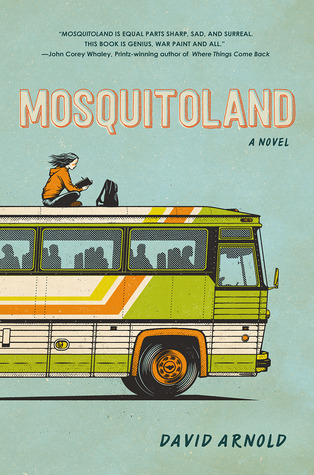
3. Mosquitoland by David Arnold


"I am a collection of oddities, a circus of neurons and electrons: my heart is the ringmaster, my soul is the trapeze artist, and the world is my audience. It sounds strange because it is, and it is, because I am strange." 
After the sudden collapse of her family, Mim Malone is dragged from her home in northern Ohio to the "wastelands" of Mississippi, where she lives in a medicated milieu with her dad and new stepmom. Before the dust has a chance to settle, she learns her mother is sick back in Cleveland. 
So she ditches her new life and hops aboard a northbound Greyhound bus to her real home and her real mother, meeting a quirky cast of fellow travelers along the way. But when her thousand-mile journey takes a few turns she could never see coming, Mim must confront her own demons, redefining her notions of love, loyalty, and what it means to be sane. 
Told in an unforgettable, kaleidoscopic voice, "Mosquitoland" is a modern American odyssey, as hilarious as it is heartbreaking.

This was neither unforgettable, hilarious, nor heartbreaking. The main character Mim reminded me of a lesser Holden Caufield, but not in a great way. I understand the use of an unreliable narrator, but I still couldn't find much to like in Mim. I thought the story would be an interesting journey based on the road trip advertised, the "quirky cast of fellow travelers", but it was a bit disappointing.

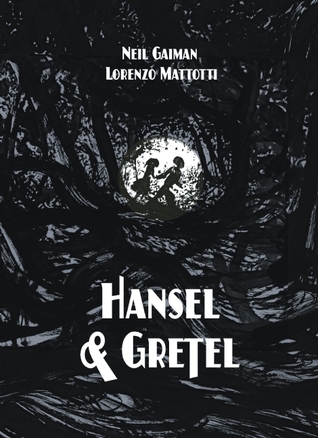
2. Hansel and Gretel by Neil Gaiman and Lorenzo Mattotti


This all happened a long time ago, in your grandmother's time, or in her grandfather's. A long time ago. Back then, we all lives on the edge of the great forest.

Neil Gaiman and Lorenzo Mattoti both remember the horror and fascination with which they read the Grimm Brothers' "Hansel and Gretel." The writer and the artist now join forces for a brilliant reimagining of one of humanity's most enduring tales. Be brave, be bold, and keep your wits about you--Gaiman and Mattoti are welcoming you into the woods.

The smudgy sketch style of the art was good for the story, but when the synopsis advertised a "brilliant reimagining" and it's written by Neil Gaiman, I expected something amazing and what I got was the same old story. It was a big let down because there was nothing new or interesting in it. I said in my review that I think it would have been a lot better if Gaiman had just narrated it because then at least his voice, always excellent at capturing creepy goings on, would've saved a mundane narrative.

1. Disney Manga Tim Burton's A Nightmare Before Christmas by Jun Asuka


Manga publishing pioneer TOKYOPOP brings you a special edition gorgeous hardcover manga based on the classic Halloween masterpiece Disney Tim Burton s Nightmare Before Christmas. A must-have for manga fans, Tim Burton fans, and Halloween fans alike!! Collect this horrifying masterpiece!"

I will willingly collect multiple editions of a book if it has a gorgeous binding. I've got more than a few editions of the Harry Potter books, for example. When this synopsis says that this is a must have for manga fans, I think that is quite the overstatement. It's nothing special in terms of art and the story has none of the heart or fun of the original poem or movie. It most certainly is not horrifying except in that it stands as a "manga remake" of The Nightmare Before Christmas and does not live up to the quality that title deserves.


All pictures, quotes, and videos belong to their respective owners. I use them here solely for the purpose of review and commentary.
Tuesday, November 1, 2016

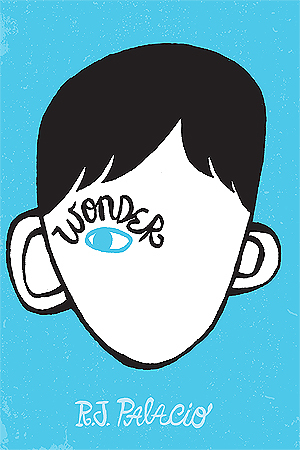
Top 10 Tuesday: Books To Read If Your Book Club Likes Protagonists Who Are Villains or Antiheroes


Top 10 Tuesday is a weekly meme that is brought to us by The Broke & the Bookish. Check out the topic list here.

I've loved what seems to be a trend in the last couple of years and seems to be continuing for the next few: books whose protagonists are villains or antiheroes. I see it on television shows as well, such as Rumpelstiltskin on Once Upon a Time: I know he's a bad guy, but because of the way he's been written, I can't help but feeling sorry for him and hoping that things work out in his favor.

This week's Top 10 Tuesday is all about what kind of books your book club might like to read in a certain genre and since I've been so fascinated with villains lately, I thought I'd share some books that I'd enjoyed and some that I want to read that have these morally questionable characters as their leads.


You never quite know who's the villain in this piece. They try to tell you, but can you be sure? You'll have to read, and decide, for yourself in this one.


I loved the film adaptation of this work with Ben Barnes, so I'd like to get to the source material at some point to see what it had in common with the film and vice versa. It's hard to say whether Dorian is truly evil or whether he's corrupted by human instinct. I'm intrigued by what Wilde will have to say on the subject of what I think it one of his better know works.


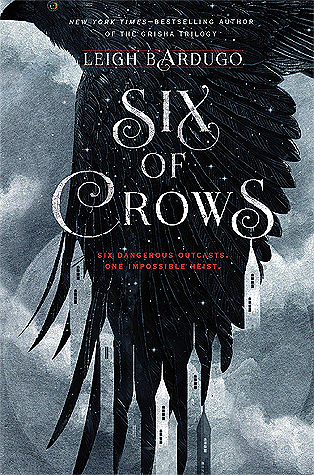
A thief, a spy, a convict, and those are just three of the Six of Crows. Granted these might be on the lighter side of antiheroes, but generally you wouldn't think of this ragtag group as the hero type, the Chosen Ones, etc. I've started this as an audio book and as it shifts points of view between all six characters, I'm glad they've got a different voice actor for each one. They bring a good balance to the story.


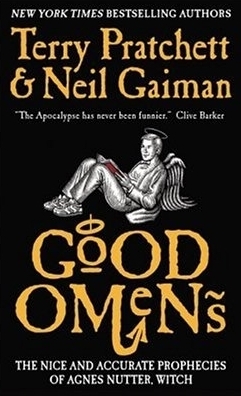
If Six of Crows was on the lighter side on antiheroes, I'm sure this would be right up there with it. Good Omens has angels, demons, and other supernatural creatures getting ready for the end of the world, which will take place next Saturday (apparently). You'd think the angels were good, demons bad, right? Yeah, not so much. Gaiman and Pratchett bring a lot of humor to this story about the warring sides that have, by the way, misplaced their Savior and their Antichrist.


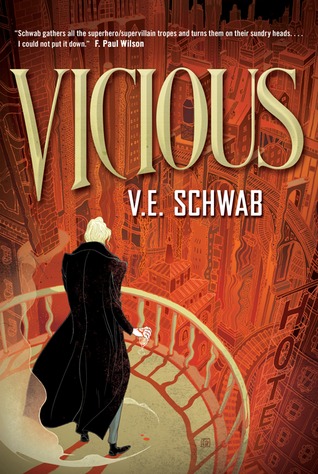
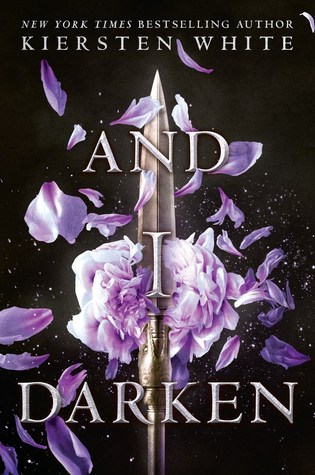
Am I supposed to like the vicious princess that's all stabby? Maybe? Maybe not? Ah, who cares, this book was awesome either way. Lada is a new kind of princess, a reimagining of Vlad the Impaler as a girl. He definitely wasn't a good guy, but he was definitely impressive and Lada carries that torch well in the first book of her series, And I Darken.


Alex is the main character here and she gets away with murder, literally, after the murderer of her sister goes unpunished by the law and she takes matters into her own hands. Automatically, given the circumstances, she's a sympathetic character, but is her nature going to be so sympathetic when events begin to take a turn for the dark?

I've only just gotten this from the library, but it's very interesting reading a novel about a character you know has done something you're supposed to find bad and evil, but you don't because of the circumstances under which the "crime" was committed. That book club discussion is going to be interesting.


The narrator in this book is literally a stalker. You figure this out really quickly, but the question is, what else has he done? How far does his depravity go? It's a unique form of storytelling to me wherein the book is told strictly from the point of view of a real bad guy. This book is high on my tbr, as is the sequel. I don't think I'd be able to read the first and put that world away, know there was more to Joe (the main character)'s story out there.

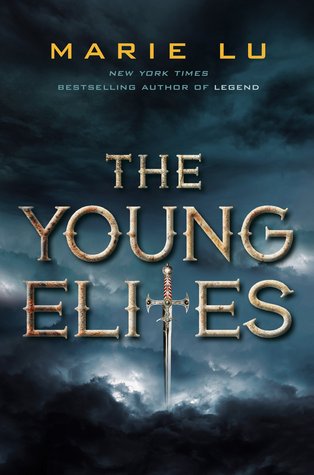
The Young Elites by Marie Lu


Adelina starts out as a prisoner due to her inadvertent role in the death of her father, powerless to help herself. By the end of the book, her power has come alive and it is powered by fear and by anger. She is no longer in the position to be the "good" girl. You do not want to cross her and as the series progresses, it only get darker for her, which is amazing in a literary sense if not so much for her soul.


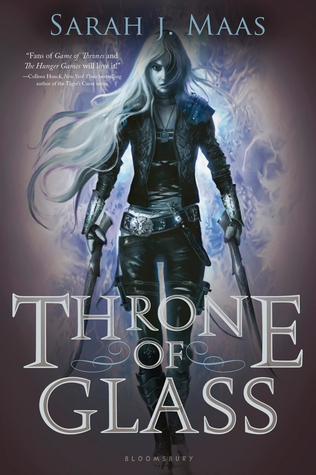
Celaena's the antihero in this piece, an assassin who was very, very good at what she did until a betrayal got her got and throne into a salt mine and slavery. You think that will stop her? HAH! That badassness is going to keep brewing inside of her and bubble up just when she needs it, especially when she finally escapes Endovier (the salt mine) and enters a championship to become the King's Assassin.

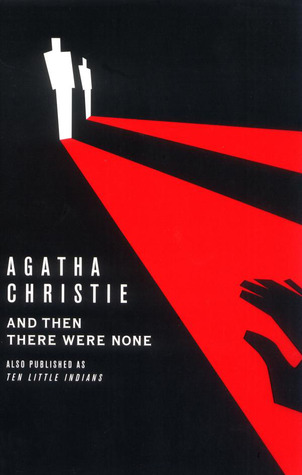
And Then There Were None by Agatha Christie


No one is innocent in this story. Each of ten guests invited to the island of an eccentric millionaire has a dark secret and each is in danger of being murdered because of it. If you're looking for someone to feel sorry for, you won't find one in this novel by the Dame of Mystery.


All pictures, quotes, and videos belong to their respective owners. I use them here solely for the purpose of review and commentary.